Celebration of Life Etiquette for Immediate Family
Discover essential celebration of life etiquette for immediate family, focusing on emotional well-being, delegating logistics, and curating a dignified, serene sanctuary.
By Stephen Sawyers
In short: celebration of life etiquette for immediate family is worth getting right. Here's what matters most for your situation.
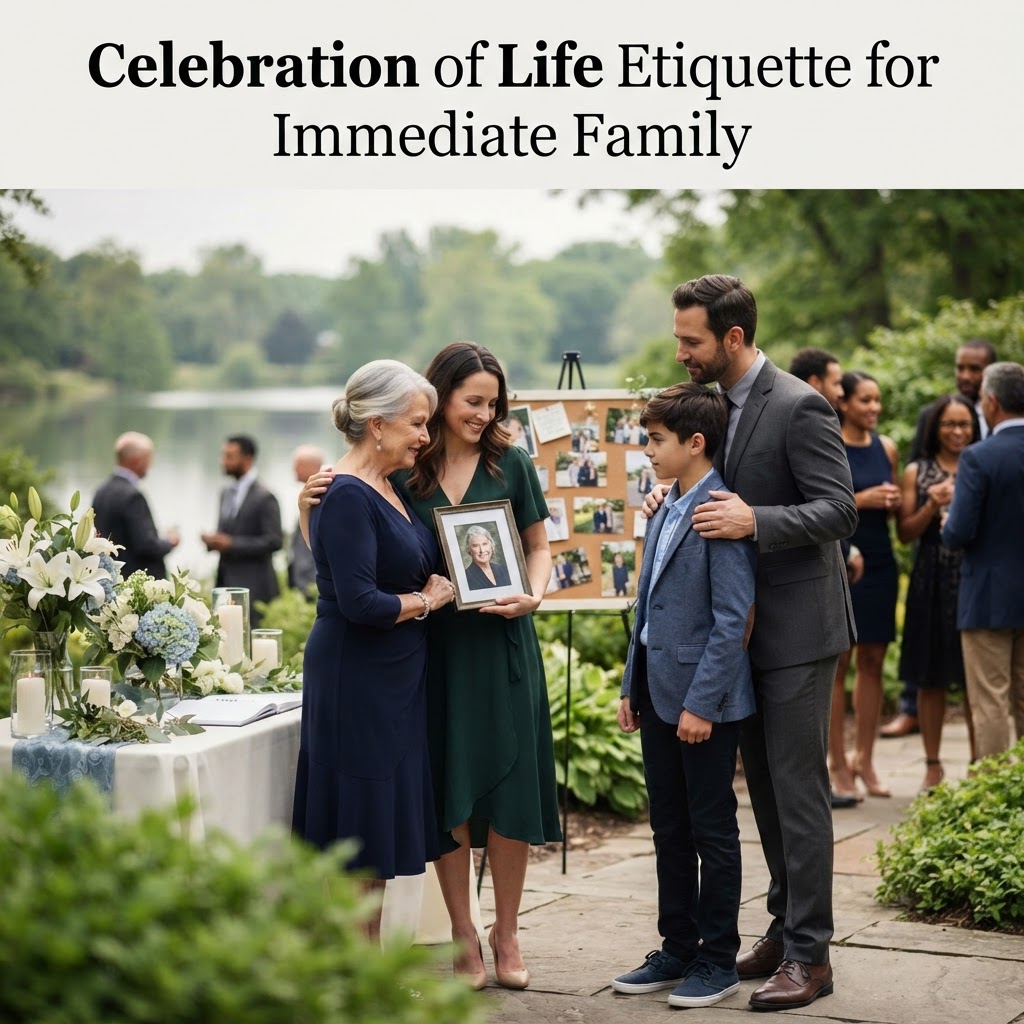
When navigating the delicate waters of honoring a loved one, following proper celebration of life etiquette for immediate family ensures that your focus remains on healing, memory, and dignified reflection. At Successful Celebrations, our team serving Metropolitan Detroit, MI, specializes in curating intimate, intentional sanctuaries that allow families to be fully present during their most significant passages. With over 500 successful events planned, we have learned that the most profound gatherings are those that honor the soul of the departed while cradling the hearts of those left behind.
This guide is current for 2026.
As an event planner with 5 years of experience, I, Stephen Sawyers, understand that the weight of responsibility can often feel overwhelming. In our experience, celebration of life etiquette for immediate family is rooted in one simple truth: you are not required to play the role of the host at the expense of your own grief. By entrusting the logistics to professionals, you free yourself to be a guest in your own home or venue, honoring a life with the same grace and reverence you wish to extend to your guests.
Understanding Celebration of Life Etiquette for Immediate Family
Celebration of life etiquette for immediate family is defined as the set of customs and considerations that prioritize the emotional needs of the primary bereaved while managing the logistical flow of the event to ensure a seamless, respectful experience for all attendees. Unlike traditional funerals, a celebration of life often emphasizes the unique personality and legacy of the loved one, creating a more personalized environment that requires careful stewardship.
When we look at the core tenets of etiquette during these times, we emphasize:
- Presence over Performance: Your primary role is to process your loss. Delegate the coordination to a professional team so you can linger in conversation.
- Intentional Hospitality: Provide comfort through soft lighting, quiet, acoustic atmospheres, and thoughtful, nutrient-rich catering.
- Legacy Stewardship: Curate memory tables or shared storytelling sessions that honor the deceased without feeling forced.
- Communication and Boundaries: It is perfectly appropriate to designate a point person to handle inquiries, allowing you to curate your energy.
For those seeking guidance on appropriate venues, our team has curated a comprehensive guide on selecting beautiful, respectful spaces in our region. We invite you to explore our blog for more insights into creating sanctuaries of memory.
How Can Immediate Family Maintain Etiquette While Grieving?
The most important element of celebration of life etiquette for immediate family is the recognition that grief is not a linear process. You should never feel pressured to host, greet, or manage details while you are experiencing the sharpest edges of loss. We have found that the most graceful events are those where the family has invested in support. By partnering with experts who understand the nuances of compassionate event planning, you ensure that the standard of care remains high while your emotional bandwidth remains protected.
Consider these approaches to maintain both dignity and emotional wellness:
- Private Moments: Before the event begins, carve out thirty minutes for immediate family to be together in the space before guests arrive.
- Defined Roles: Ask a trusted friend or professional planner to handle all administrative tasks, from guest arrivals to food service logistics.
- Structured Storytelling: If you choose to speak, keep your remarks intimate and unhurried. You are under no obligation to provide a lengthy speech if it does not feel right for your heart.
Our philosophy at Successful Celebrations is built on the belief that every life transition deserves a gathering that feels like a sanctuary. Whether you are holding a memorial in a private home setting or a local event space, remember that your comfort is the most critical piece of the etiquette puzzle. As noted by the Everplans resource center, clear planning is the best way to reduce the stress of memorial arrangements during a time of bereavement.
Why Botanical Elements Matter in Memorial Planning
Incorporating living florals and natural textures is a hallmark of our brand voice. Botanical beauty provides a sensory tether to life itself, offering a quiet, living witness to the memories you are celebrating. A well-designed tablescape or a soft floral arrangement can do more to soothe the spirit than standard event decor ever could. By using natural materials like linen and seasonal foliage, we craft environments that feel organic and deeply grounded.
We have seen how a thoughtfully designed space helps families feel held. When the environment is curated with quiet precision, it naturally invites guests to behave in a way that is respectful, muted, and warm. This unspoken etiquette is the hallmark of a successful gathering.
If you are currently navigating the planning process, remember that you do not have to walk this path alone. Our expertise in creating unique, dignified memorials ensures that your family's focus remains on what truly matters: the story of a life well-lived and the love that remains. Please reach out to our team at Successful Celebrations to discuss how we can curate a sanctuary for your upcoming milestone. Let us hold the details so you can hold onto the memories.
Frequently Asked Questions
What is the most important rule of celebration of life etiquette for immediate family?
The most important rule is to prioritize your own emotional well-being by delegating logistical responsibilities to others. You are not required to manage the event while grieving; your primary duty is to be present for your own healing process.
How should immediate family handle the guest list?
It is perfectly acceptable to be selective with your invitation list to ensure the atmosphere remains intimate and reflective. You may designate a specific person to handle RSVPs and guest inquiries to prevent you from being overwhelmed by administrative details during your time of mourning.
Is it necessary to have a formal program?
A formal program is not required, but having a simple, unhurried flow helps guide guests and provides structure to the gathering. We recommend keeping the schedule flexible and focused on opportunities for shared storytelling rather than rigid, timed performances.