Traditional Repass Food Menu Ideas for Comfort
Discover thoughtful and traditional repass food menu ideas designed to provide comfort and dignity for your grieving family and guests.
By Stephen Sawyers
In short: traditional repass food menu ideas is worth getting right. Here's what matters most for your situation.
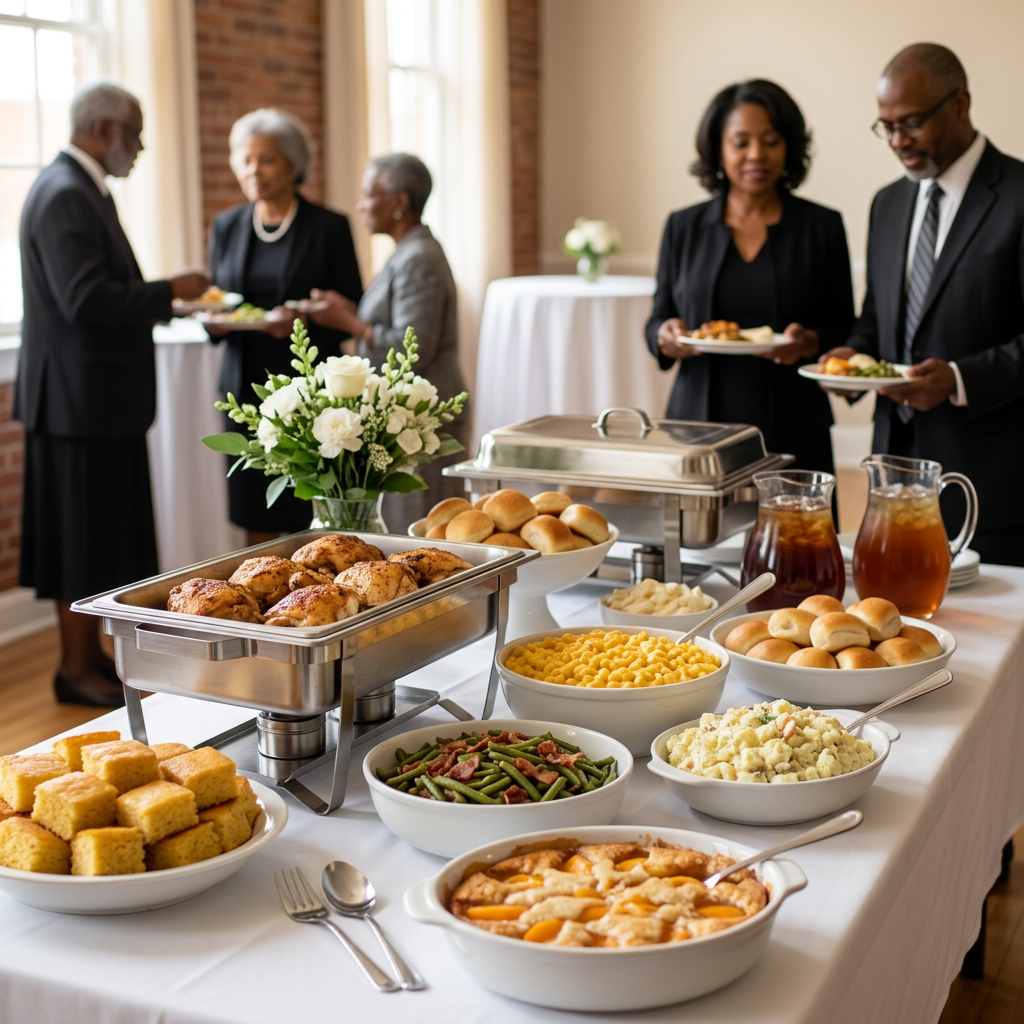
A traditional repass food menu focuses on soul-nourishing, crowd-pleasing dishes that offer comfort and ease of service for grieving families. At Successful Celebrations, serving Metropolitan Detroit, MI, we specialize in curating dignified gatherings that allow families to focus on remembrance rather than logistics.
This guide is current for 2026.
As an event planner with 5 years of experience and over 500 successful events, I, Stephen Sawyers, understand that the repass is a sacred bridge between the funeral service and the quiet reflection that follows. When families ask about traditional repass food menu ideas, I often recommend prioritizing warmth, ease of consumption, and familiar flavors that honor the legacy of the departed. A repass is defined as a communal meal held after a funeral or memorial service, serving as a vital opportunity for friends and family to reconnect and offer emotional support in a shared, intentional space.
What are the essential elements of traditional repass food menu ideas?
In our experience, the most successful menus are those that feel like a home-cooked embrace. When planning a traditional repass food menu, we emphasize dishes that hold their temperature well and can be served buffet-style, allowing guests to linger and share stories at their own pace. We have found that incorporating family heritage and local Detroit culinary staples brings a profound sense of groundedness to the afternoon.
How to curate a balanced menu for your guests
When selecting your traditional repass food menu ideas, consider a structure that provides sustenance without the formality of a multi-course dinner. We suggest including these essential categories:
- Hearty Proteins: Slow-roasted pulled pork, honey-glazed baked ham, or herb-roasted chicken are staples because they are universally comforting and easy to portion.
- Starch Foundations: Macaroni and cheese, garlic herb mashed potatoes, or candied yams provide the foundational comfort guests often seek after a long day.
- Fresh Greens & Texture: A crisp garden salad with vinaigrette or braised collard greens with smoked turkey provides a necessary balance to the richness of the main dishes.
- Simple Breads: Soft yeast rolls or warm cornbread are essential for rounding out the plate.
- Hydration & Comfort Drinks: Offering sweetened iced tea, lemonade, and a dedicated coffee station ensures that guests remain refreshed and comfortable throughout the service.
We often tell our clients that the goal is not culinary complexity, but emotional resonance. By curating a menu that feels intentional, you allow your guests to feel held by your hospitality. For more guidance on managing the logistics of these gatherings, please refer to our How to Organize a Repass: A Dignified Detroit Guide. Managing the flow of a room is as important as the food itself, and you can learn more about our approach at our About Page.
Why focus on comfort and consistency for your repass?
Planning a meal during a time of bereavement can feel overwhelming. That is why we advocate for traditional repass food menu ideas that lean into time-tested favorites. When your guests walk into a space that feels like a sanctuary, the familiar scent of comforting food acts as an immediate invitation to relax and remember. At Successful Celebrations, we believe that every detail, from the linen choice to the menu selection, is a reflection of the love you hold for your loved one. If you are struggling with the broader planning process, our Repass Checklist for Grieving Families: A Gentle Guide can help alleviate the pressure.
According to The National Funeral Directors Association, the reception following a service is a critical element of the grieving process, providing a necessary venue for community support. Providing sustenance is a physical manifestation of care. Whether you are hosting a small, intimate gathering at home or a larger reception at a venue, the heart of the meal should always be ease and accessibility. We encourage you to reach out through our Contact Page if you need assistance in composing this final, important act of service for your family. We are here to ensure that your gathering is handled with the quiet precision and dignity it deserves.
Final Thoughts on Intentional Gatherings
As you gather to honor a life, remember that the menu is a background element to the primary purpose: being together. By keeping your menu grounded in tradition and simplicity, you create an unhurried atmosphere where memories can breathe. We have been privileged to serve over 500 families in Metropolitan Detroit, and we look forward to helping you compose a moment of grace for your own milestone transition.
Frequently Asked Questions
What is a traditional repass food menu?
A traditional repass food menu typically features familiar, comforting "soul food" or classic American buffet-style dishes that are easy to prepare in large quantities and simple to serve. Common items include baked proteins like ham or chicken, macaroni and cheese, greens, and warm rolls.
How far in advance should I plan the repass menu?
It is best to finalize your menu at least 48 to 72 hours before the service to ensure your caterer or kitchen team has sufficient time for preparation and sourcing. If you are planning the gathering on a shorter timeline, sticking to simple, classic dishes will make the logistics much more manageable.
Should I account for dietary restrictions at a repass?
Yes, it is highly recommended to include at least one vegetarian or gluten-free option on your menu to ensure all guests feel welcomed and cared for. A simple garden salad or roasted seasonal vegetables are excellent, inclusive additions that don't complicate the overall menu structure.