Repass Etiquette for Host and Guests: A Guide
Discover essential repass etiquette for host and guests with our expert guide to creating a dignified, intentional sanctuary for memory and reflection.
By Stephen Sawyers
In short: repass etiquette for host and guests is worth getting right. Here's what matters most for your situation.
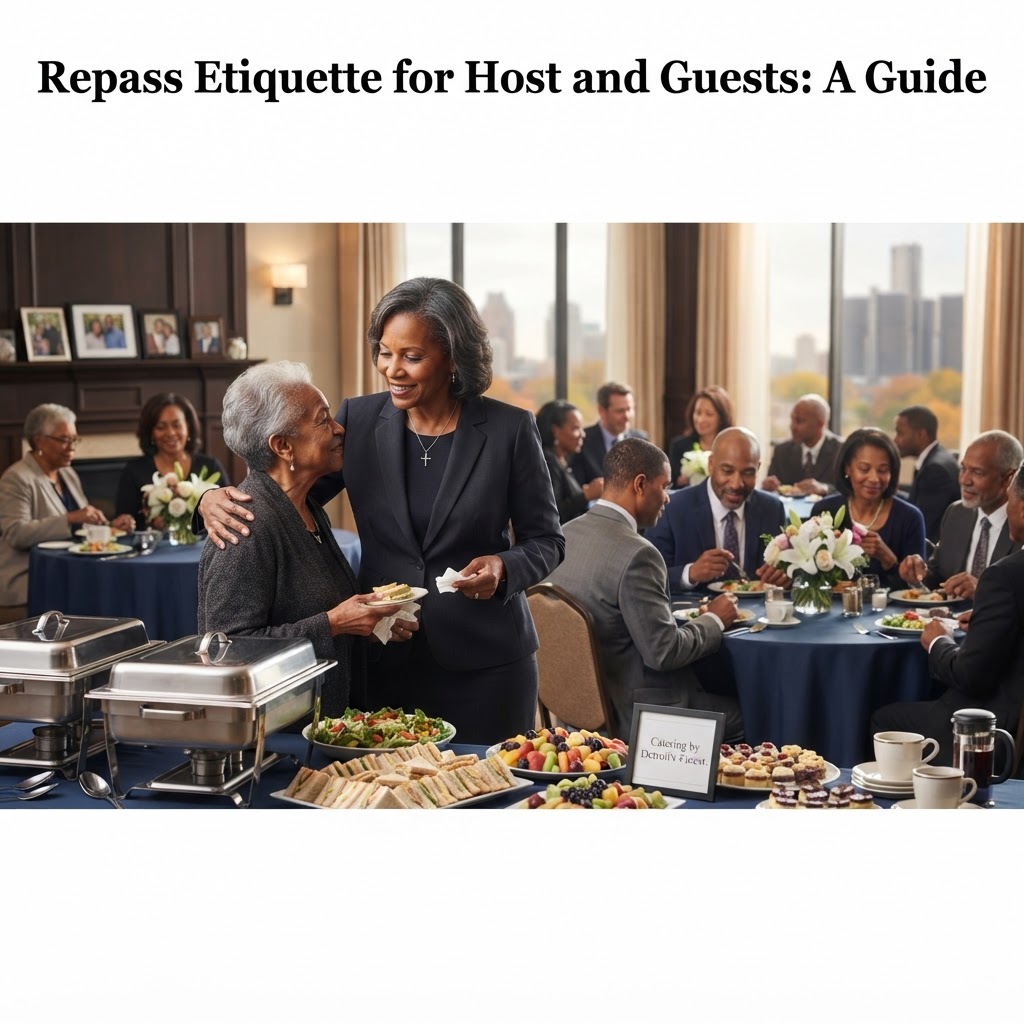
When navigating the delicate moments following a loss, understanding proper repass etiquette for host and guests can offer a framework of grace for everyone involved. At Successful Celebrations, our team specializes in crafting dignified, intentional memorial gatherings across Metropolitan Detroit, MI. With over 500 successful events planned and five years of professional experience, I, Stephen Sawyers, have found that these gatherings serve as a vital sanctuary for families to begin their process of honoring a legacy. A repass is defined as a communal meal or reception held following a funeral service, providing a space for family and friends to share stories, support one another, and process their collective grief in an environment of quiet hospitality.
Event planner with 5 years experience. This guide is current for 2026.
Understanding the balance of repass etiquette for host and guests is essential for ensuring that the focus remains on community and memory rather than logistical anxiety. Our work at Successful Celebrations ensures that you never have to navigate these transitions alone. Whether you are hosting an intimate family gathering or a larger community tribute, the goal remains the same: to create a space that feels both personal and deeply respectful.
How to Approach Repass Etiquette for Host and Guests
In our experience, the most meaningful gatherings are those that feel unhurried. When you think about repass etiquette for host and guests, prioritize the comfort of your attendees. Hosts should strive to create a warm, welcoming environment where guests feel invited to linger, while guests should offer their presence and grace in return.
What are the fundamental rules for hosts?
As a host, your primary responsibility is stewardship. You are the curator of this sanctuary, responsible for ensuring that the flow of the event remains supportive. Key considerations include:
- Providing clear, gentle communication regarding the time and location of the repass.
- Ensuring that the physical space is accessible and comfortable for all guests, regardless of age or mobility.
- Managing the emotional energy of the room by curating a tone that is respectful, warm, and intentional.
- Offering hospitality that feels thoughtful, such as selecting menu items that provide comfort or reflect the loved one’s own tastes.
Our team at Successful Celebrations excels at managing these logistics so you can remain present with your family. We suggest viewing the Successful Celebrations blog for further guidance on how to curate these spaces effectively.
Why Intention Matters in Memorial Planning
A repass should never feel like a standard catered affair; it is a sacred passage. By applying the principles of intentional event design, you transform a simple meal into a memorial experience. We believe that incorporating botanical elements—such as living ferns, soft linen textures, and the warm glow of candlelight—can significantly influence the mood of the room. This botanical warmth serves as a living metaphor for memory, grounding the event in nature and peace. If you are uncertain about where to begin, reaching out to our Contact Page allows us to discuss how we can steward your specific needs.
For those attending, etiquette is equally simple: your presence is your gift. It is important to approach the host with brief, sincere words of comfort, allowing them to move through the space and attend to other guests. Avoiding overly long stories if the host appears fatigued is a sign of deep respect. For more information on the evolving standards of memorial hospitality, you can reference resources like the National Funeral Directors Association to understand the broader context of modern mourning customs.
Ultimately, the etiquette of a repass is rooted in empathy. As you plan or attend these events in Metropolitan Detroit, remember that the goal is the sustenance of the soul. When we curate these spaces, we consider every detail—from the pacing of the food service to the placement of memory tables—to ensure that you feel held and supported. Every life is a story worth honoring, and providing a sanctuary for that story is the greatest service we can offer.
Frequently Asked Questions About Repass Etiquette
What is the appropriate length of time for a repass?
A repass typically lasts between two to four hours, though this depends entirely on the family's needs and the size of the gathering. It is best to keep the duration flexible so guests do not feel rushed, but provide a clear end time for your own emotional well-being.
Should guests bring gifts or flowers to a repass?
Guests are not expected to bring gifts or additional flowers to a repass, as these are typically handled during the funeral service. A handwritten sympathy card or a warm, brief expression of condolences is the most appropriate gesture.
How should a host handle RSVPs for a repass?
If you are hosting a formal repass, it is helpful to request an RSVP to manage catering and seating logistics effectively. You can frame this request sensitively by noting that you wish to ensure a comfortable space for everyone who intends to share in the memorial.
If you find yourself overwhelmed by the prospect of organizing these details, know that support is available. We invite you to connect with us at Successful Celebrations. Together, we can compose a gathering that honors your loved one with the reverence, botanical grace, and unhurried precision they truly deserve.